Articles
Rottab Season: The UAE's Short Window of Fresh Dates
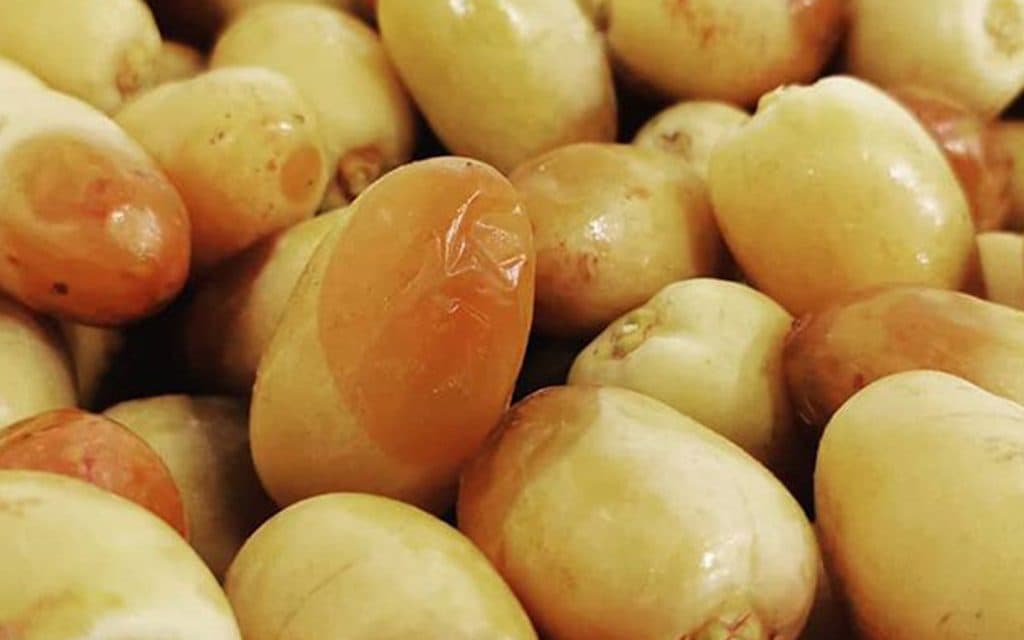
Once a year, for a few short weeks, something remarkable happens at farm markets and specialist date shops across the UAE: fresh rottab arrives. No other stage of the date's life cycle attracts the same enthusiasm, and with good reason — a freshly harvested Khalas rottab is among the finest things you can eat in the Emirates.
What Is Rottab?
The date passes through four distinct ripeness stages on the palm: khalal (firm, green or yellow, slightly astringent), rottab (soft, partially dried, honey-sweet), tamr (fully dried, shelf-stable), and the over-dried stage that most shoppers never see. Rottab is the stage between fresh and dried — when roughly half the moisture has evaporated naturally, the date turns from its khalal colour to a deep amber or brown, and the flesh becomes extraordinarily soft, almost liquid at the tip, with a sweetness that is intense without being cloying.
Most commercial dates are sold at the tamr stage, which is fully stable and transports easily. Rottab is perishable — it must be refrigerated and consumed within days of harvest — which is why it is rare, seasonal, and deeply prized by those who know to look for it.
When Does Rottab Season Run?
In the UAE, rottab season runs roughly from mid-June through September, with the peak window varying by variety and year. Khalas rottab — the most sought-after — typically peaks in August. Fard and Lulu rottab arrive a little earlier, often in late June and July. The exact dates shift with rainfall patterns, temperature peaks, and the individual microclimate of each farm.
The Khalas Rottab Experience
Khalas rottab at peak ripeness is unlike the tamr you find year-round. The skin has turned a deep translucent amber, the tip of the date is soft enough to leave an impression with a finger, and the flavour is intensely honeyed — richer, more complex, and considerably less sweet than a fully dried Khalas. Many who eat it for the first time describe it as a revelation.
The traditional way to eat Khalas rottab in the UAE is simply as it comes, at room temperature, with a small cup of gahwa. No accompaniment, no garnish.
How to Store Fresh Rottab
Rottab is perishable and must be handled accordingly. Once purchased, refrigerate immediately in an airtight container. The shelf life is typically five to ten days depending on ripeness at purchase. Signs of deterioration: a fermented or off smell (the date has begun to ferment from residual moisture), or a dark, wet appearance on the skin.
Rottab can be frozen — spread on a tray, freeze individually, then bag — and enjoyed throughout the year. The texture softens further after thawing but remains excellent. Many UAE households freeze a supply during peak season specifically so they can eat it in Ramadan, when demand often outstrips supply.
To experience Emirati date varieties at their best throughout the year, explore our Emirati dates range or our Khalas dates collection for year-round tamr options from the same heritage farms.
More from Articles
Articles
UAE National Day Gifts: How to Celebrate 2 December with Dates & Emirati Tradition
August 17, 2026
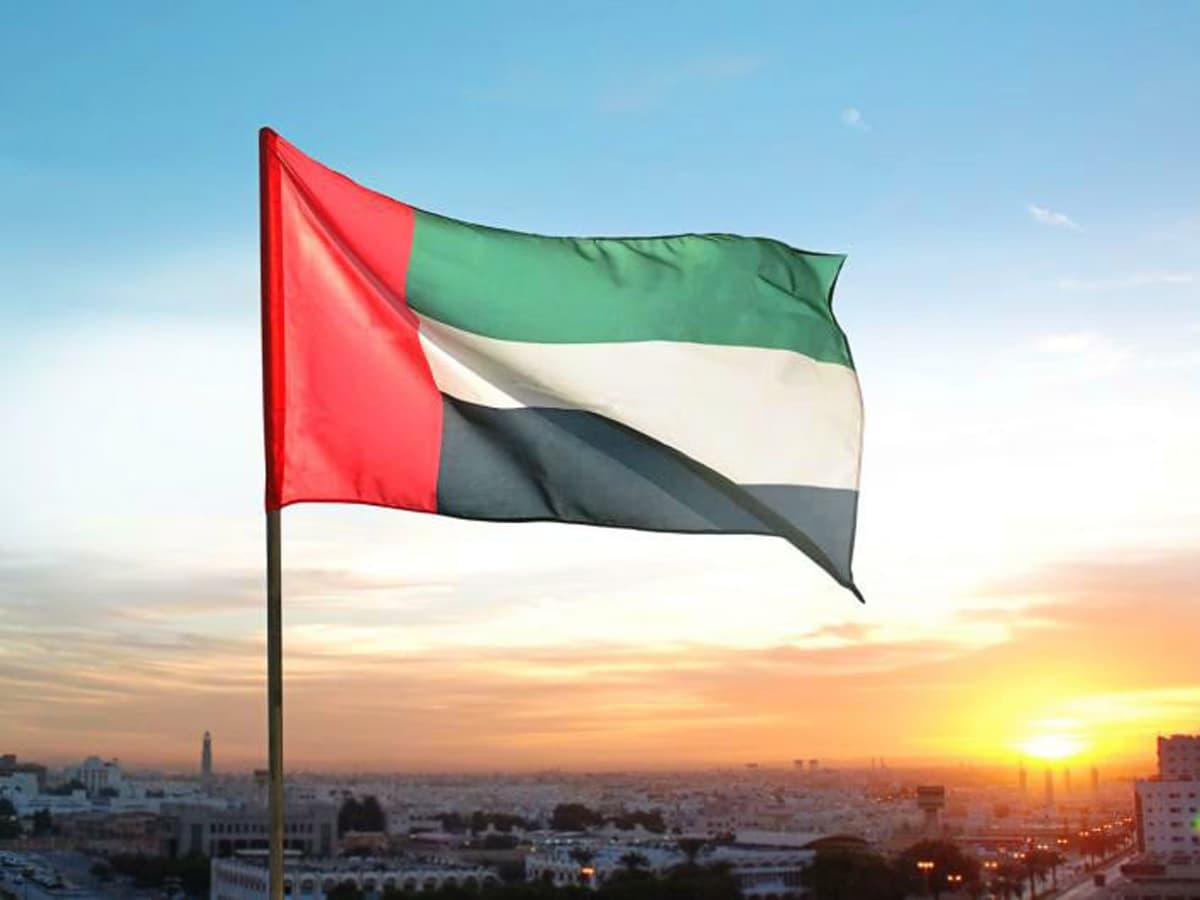
2 December is more than a public holiday — it is the anniversary of a nation. Here is how to mark it with gifts that carry genuine Emirati meaning, from the palm groves of Al Ain to your table.
Articles
Lulu Dates: The Pearl of Al Ain's Palm Groves
August 10, 2026
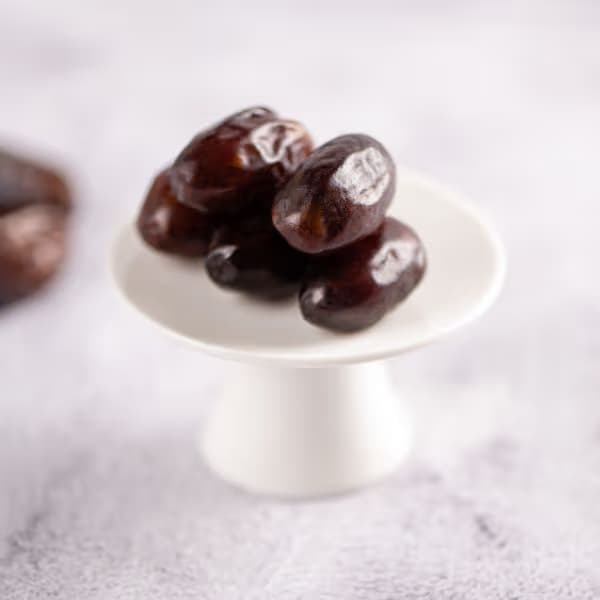
Lulu dates are one of the UAE's most celebrated native varieties — pale gold, honey-sweet, and grown in the shadow of Jebel Hafeet. Here's everything you need to know about them.
Articles
How to Choose the Perfect Ramadan Gift Box in the UAE
July 10, 2026
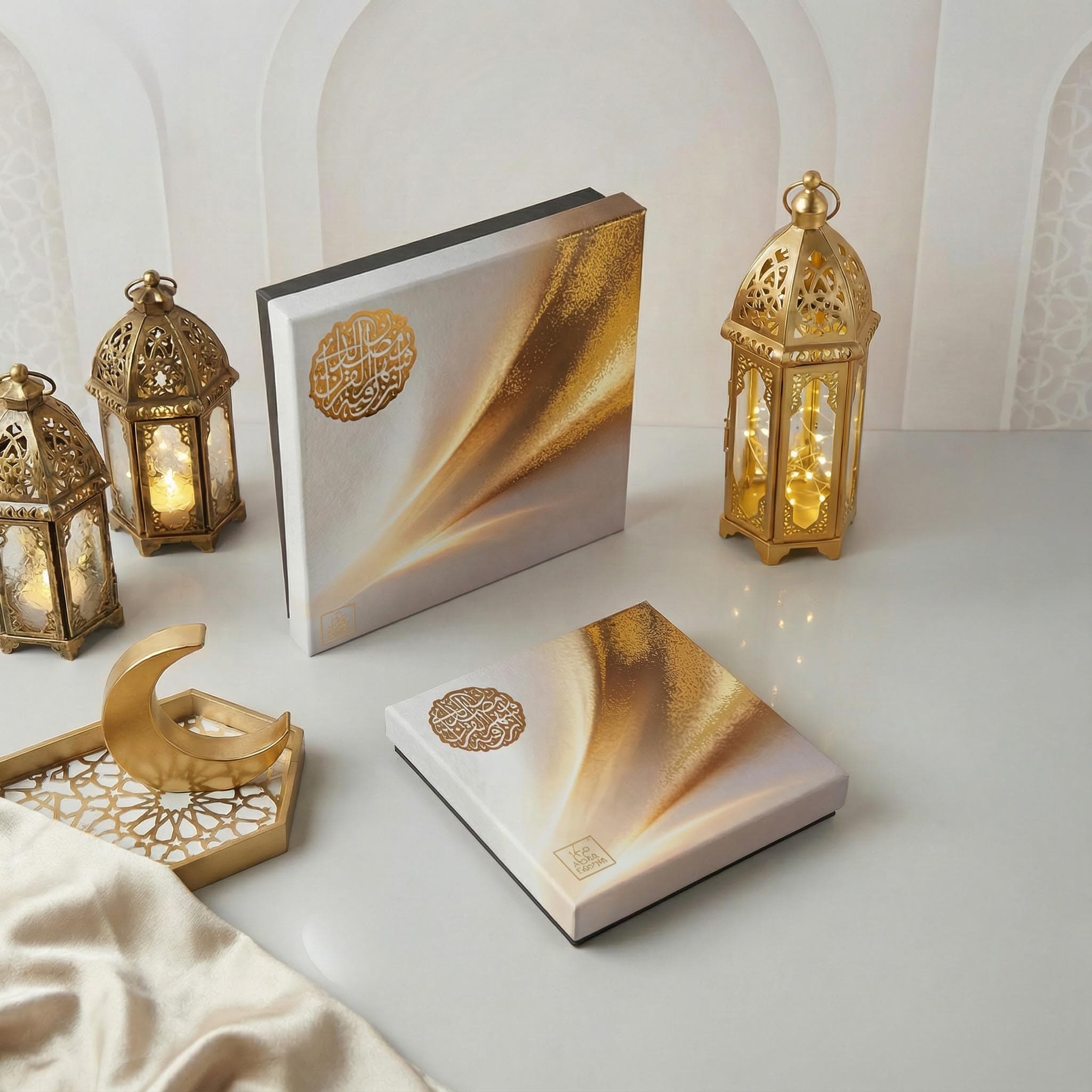
Choosing a Ramadan gift box in the UAE is about more than packaging — it's about what's inside and what it says. Here's how to get it right, from a family farm that's been growing dates in Al Ain for generations.