Articles
Lulu Dates: The Pearl of Al Ain's Palm Groves
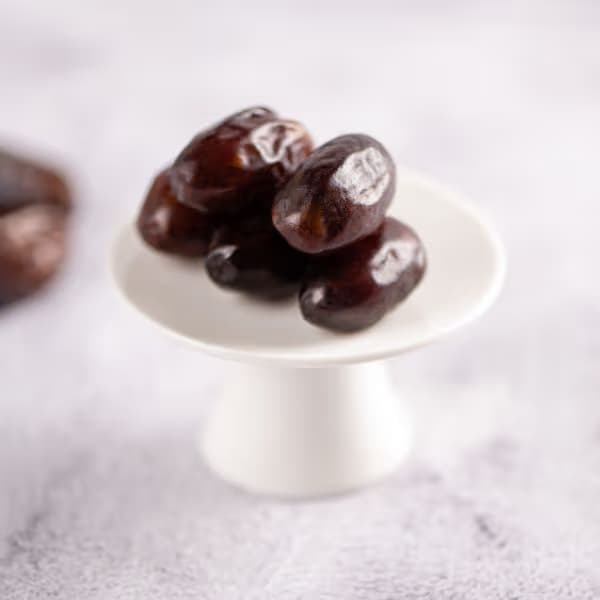
Ask any Emirati which date variety they reach for first and chances are the answer is Lulu. Pale as polished ivory, plump, and carrying a clean honey sweetness that lingers without ever becoming heavy, the Lulu is the date that locals grow up eating and visitors never forget. At The Date Room, we grow Lulu palms on our Al Ain farms — the same sun-scorched volcanic soil, the same mountain breezes rolling off Jebel Hafeet — and we pack them ourselves before they ever reach you. That proximity matters, because Lulu dates are delicate enough that freshness is everything.
If you have been browsing our Emirati dates and wondering what makes Lulu worth seeking out, this guide is for you.
What Exactly Is a Lulu Date?
Lulu — whose name translates loosely to 'pearl' in Arabic — is a distinctly Emirati variety, native to the Al Ain region and the surrounding inland oases. Unlike the Khalas (also spelled Kholas), which is prized in its dry, amber tamar stage, the Lulu is most beloved at the rottab stage: the moment when the date has softened to a creamy, semi-translucent gold but still holds its shape. At that point the flesh is almost mousse-like, the flavour is pure floral honey with a faint caramel note, and the skin peels away with the lightest touch.
Maturation typically peaks in July and August across the Al Ain valley. The window is short — a matter of weeks — which is one reason Lulu dates feel special when you encounter them at their best.
How We Grow Lulu Dates on Our Al Ain Farms
Date palms are long-horizon plants. A Lulu palm planted today will take three to five years before it produces its first meaningful harvest, and another decade before it hits full yield. That slow timeline is part of what makes every cluster of Lulu dates feel earned.
On our farms outside Al Ain, we hand-pollinate the female Lulu palms in spring — a process that requires climbing each tree and dusting pollen from the male flower spathes directly onto the female ones. By early summer, the bunches are bagged in protective mesh to guard the developing fruit from birds, dust, and the inevitable humidity spikes that can cause splitting. When harvest arrives in July, our team hand-picks each bunch and sorts the fruit on the same day — separating the perfect rottab-stage dates from those destined for drying or date syrup.
You can read more about the full farming process on our Our Farms page.
Lulu vs. Khalas: What's the Difference?
This is the question we hear most often in our Abu Dhabi boutique. Both are prized Emirati varieties with deep roots in the Al Ain oasis tradition, but they eat very differently.
Lulu Softer, paler, honey-forward. Best enjoyed fresh at the rottab stage. The flavour is lighter and more floral — some customers describe a faint jasmine note.
Khalas Richer, darker amber, with a deeper caramel-toffee flavour and a slightly chewier texture at the tamar (fully dried) stage. Khalas is the date of gahwa ceremonies and long shelf life; it travels well.
Neither is superior — they are complementary. Many Emirati households keep both: Lulu for immediate pleasure, Khalas for the coffee table and for gifts.
The Nutritional Side of Lulu Dates
Dates as a category are genuinely nutritious, and Lulu fits that profile. They are a source of natural sugars — predominantly fructose and glucose — that provide quick, sustained energy without the crash of refined sugar. Dates also contribute dietary fibre, potassium, magnesium, and B vitamins to the diet.
Research published on PubMed suggests that regular date consumption may support digestive health and provide antioxidant activity, owing to the polyphenols present in date flesh and skin. (Source)
Because Lulu dates are often eaten at the rottab (soft, partially ripe) stage rather than the fully dried tamar stage, they contain a slightly higher moisture content — typically around 30–50% — which means their sugar is a touch more dilute than fully dried varieties. For those watching sugar intake, that is worth knowing. As with all high-natural-sugar foods, moderation is sensible; the World Health Organisation recommends limiting free sugars to less than 10% of total energy intake. (Source)
None of this means you need to overthink eating a Lulu date. In the context of a balanced diet, a handful at iftar or alongside Arabic coffee is a perfectly wholesome tradition.
How to Eat and Serve Lulu Dates
The honest answer is: straight from the box, at room temperature, one after another. But if you want to make more of them:
With gahwa — The UAE's traditional spiced Arabic coffee is the classic pairing. The bitter, cardamom-forward brew cuts through the honey sweetness of the Lulu beautifully. We carry our own Emirati Arabic Coffee if you want to complete the experience at home.
On a mezze spread — Lulu dates alongside soft cheese (a mild goat's cheese works especially well), toasted nuts, and flatbread is a crowd-pleaser that feels local without being clichéd. Pair with a handful of premium nuts for texture contrast.
Stuffed — The soft flesh of a Lulu lends itself to stuffing. A sliver of pistachio or a curl of single-origin chocolate pressed into the cavity transforms a fresh date into something that feels like a petit four. Browse our stuffed dates for inspiration.
In cooking — Blend Lulu dates (pits removed) with a splash of water for a natural sweetener in oatmeal, smoothies, or date-based energy balls. Their lighter flavour means they won't overpower the other ingredients the way a strongly flavoured dried date can.
Gifting Lulu Dates: When the Pearl Becomes a Present
Because Lulu is a seasonal, perishable variety — best within weeks of harvest — it carries a sense of occasion that a dried date simply cannot replicate. Gifting a box of fresh Lulu dates says you paid attention; that you chose something time-sensitive and regional rather than grabbing the first tin off a shelf.
Our gift boxes can be built around Lulu dates, and for corporate occasions — where you want something that feels genuinely Emirati rather than generically 'Middle Eastern' — our corporate gifts team can arrange bulk orders timed to the harvest window. It is the kind of detail that clients remember.
Storing Fresh Lulu Dates
Fresh rottab-stage Lulu dates do not have the shelf life of a dried Medjool. Keep these rules in mind:
- Refrigerate immediately on receipt — between 2°C and 5°C is ideal. They will keep well for two to three weeks.
- Freeze for longer storage — Lulu dates freeze surprisingly well. Lay them flat in a single layer, freeze until solid, then transfer to a sealed bag. They will keep for up to six months and thaw beautifully at room temperature in around thirty minutes.
- Avoid direct sunlight or warm countertops — warmth accelerates fermentation. A date that smells slightly alcoholic has started to turn.
- Keep them away from strong odours — date flesh is porous and will absorb smells from nearby foods in the fridge.
Why Al Ain Is the Natural Home of the Lulu Palm
Not every region can grow a Lulu date worth eating. The variety is adapted to the specific micro-climate of the Al Ain interior: intense summer heat (regularly above 42°C in July), extremely low humidity compared to the coast, and — crucially — access to the falaj irrigation system that has watered the oases here for over three thousand years. UNESCO recognised the Al Ain Oases as a World Heritage Site in 2011, acknowledging that this landscape is not just scenic but is a living agricultural system with no real equivalent.
The volcanic soil around Jebel Hafeet adds trace minerals that, growers will tell you, contribute to the distinctively clean sweetness of Al Ain dates. Whether or not you can taste the geology, the geography is undeniably special — and it is the reason we are proud to call Al Ain home for our farms.
A Final Word from the Farm
We grow Lulu dates because we love them — full stop. They are not the easiest variety to bring to market. They require more careful handling than dried varieties, a tighter harvest window, and faster logistics. But when you open a box and the dates are exactly right — cool, soft, pale gold, smelling faintly of honey and morning air — there is no argument to be made for cutting corners.
If you have never tried a Lulu date at peak rottab ripeness, that is a gap worth closing. Explore our full range of Emirati dates and discover what Al Ain's palms have been quietly perfecting for centuries.
More from Articles

Articles
UAE National Day Gifts: How to Celebrate 2 December with Dates & Emirati Tradition
August 17, 2026
2 December is more than a public holiday — it is the anniversary of a nation. Here is how to mark it with gifts that carry genuine Emirati meaning, from the palm groves of Al Ain to your table.
Articles
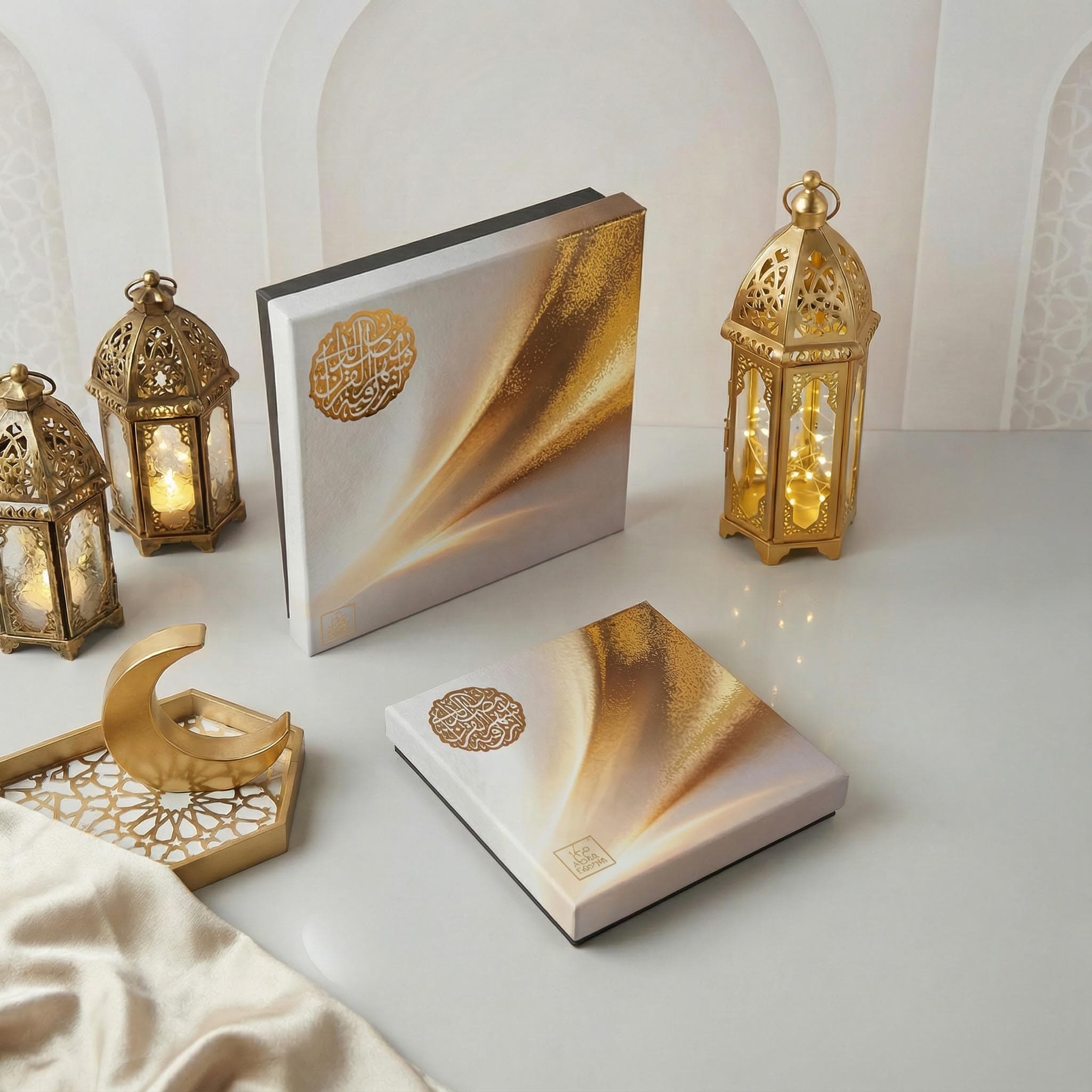
How to Choose the Perfect Ramadan Gift Box in the UAE
July 10, 2026
Choosing a Ramadan gift box in the UAE is about more than packaging — it's about what's inside and what it says. Here's how to get it right, from a family farm that's been growing dates in Al Ain for generations.
Articles
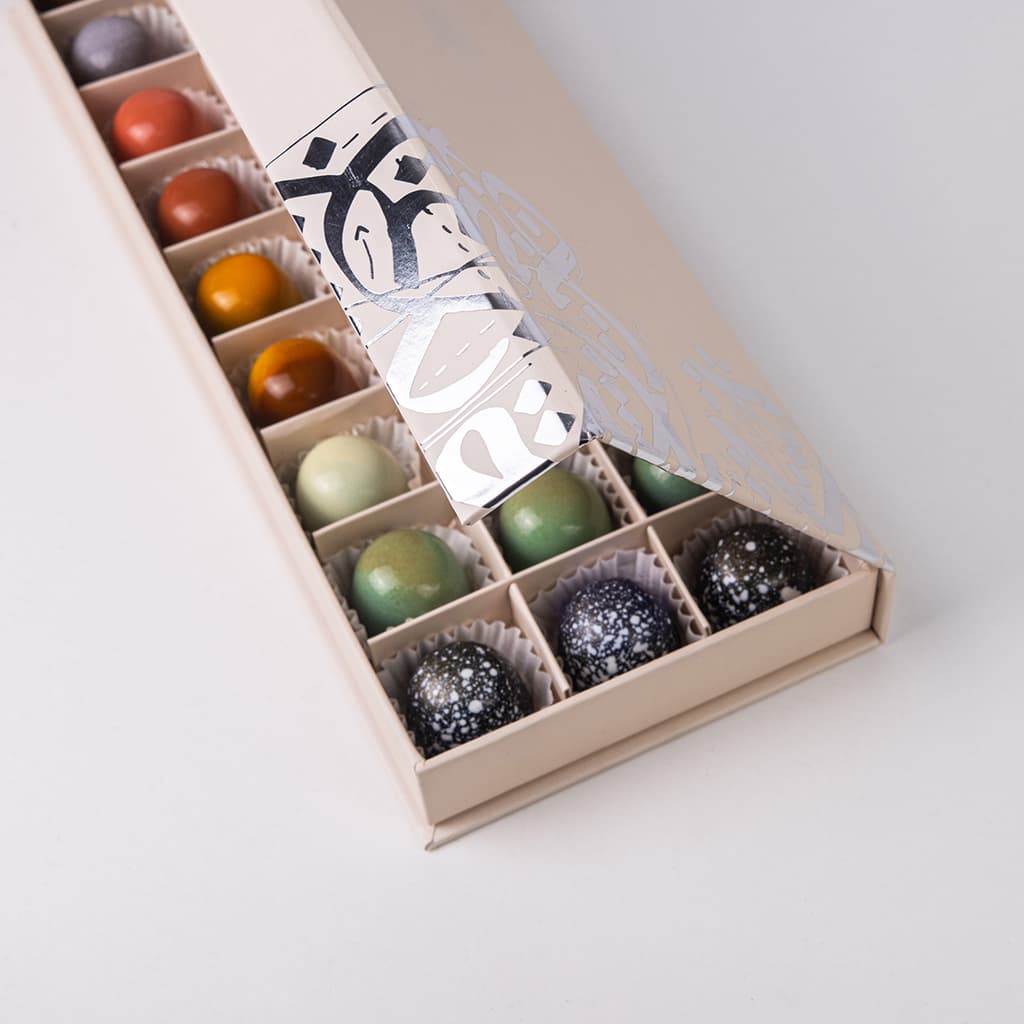
Corporate Gifts Dubai: The Complete Guide to Dates, Etiquette & Getting It Right
June 16, 2026
From Ramadan hampers to deal-closing thank-you boxes, here is everything you need to know about corporate gifting in Dubai — what to give, when to give it, and how to avoid common cultural missteps.