Articles
Ramadan Dates in the UAE: The Tradition Behind Breaking the Fast
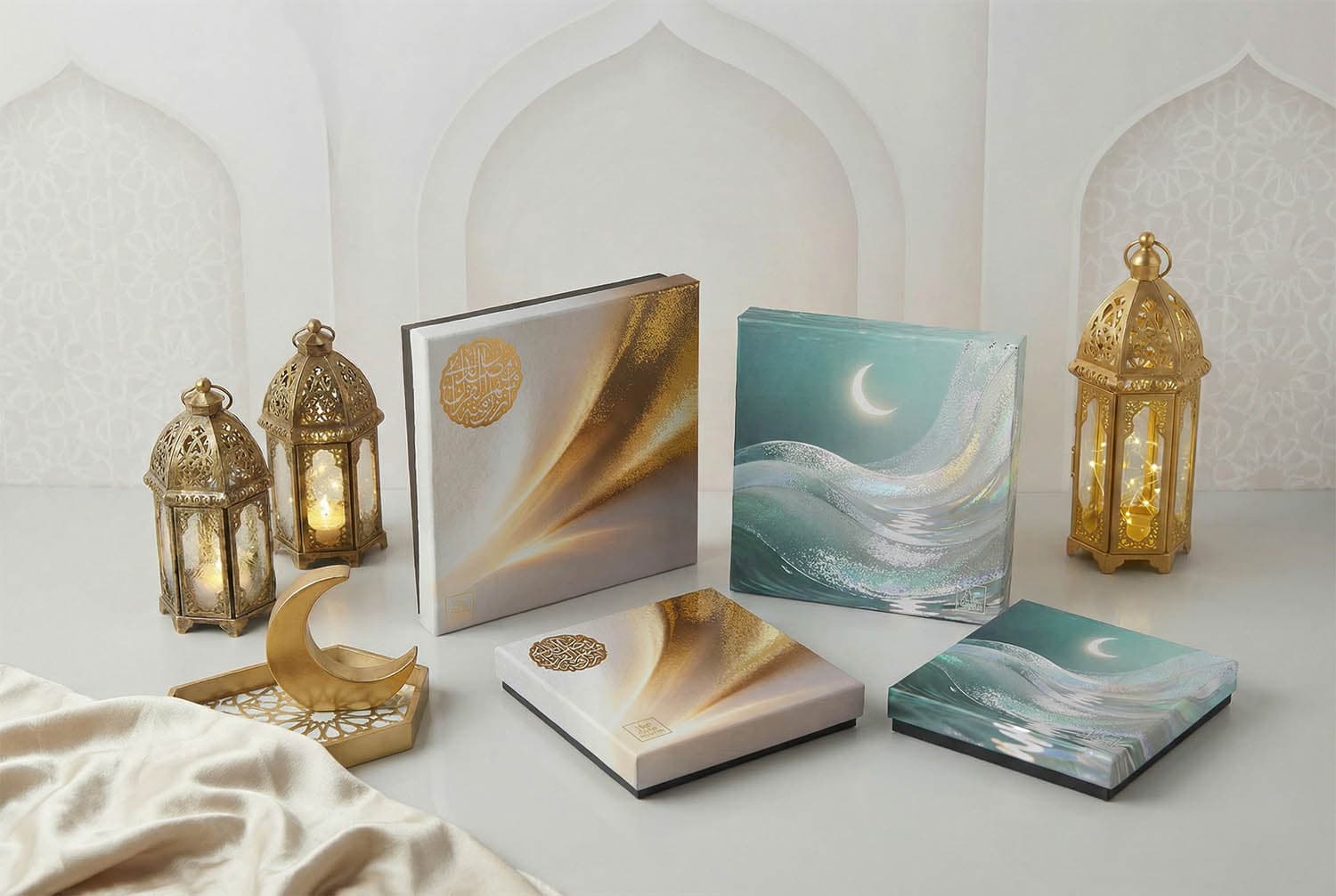
As the Ramadan sunset call to prayer sounds across the UAE, the first item placed on the iftar table — before the soup, before the main course, before anything else — is almost always a small plate of dates. This is not incidental. The practice of breaking the fast with dates carries centuries of tradition and is observed across the country as a matter of both faith and deep cultural identity.
The Historical and Cultural Roots
The practice of breaking the fast with dates is documented across the Islamic tradition and has been observed continuously in the Arabian Peninsula for well over a thousand years. Dates were the most reliable, shelf-stable, and nutritionally dense food available in the pre-refrigeration Arabian environment — and their natural sugars provided the quickest restoration of energy after a long day without food or water.
In the UAE, this tradition is layered with Emirati cultural identity. The varieties that appear at iftar are specifically Emirati varieties — Khalas, Fard, Lulu, Barhi — rather than the imported Medjool that dominates global markets. The choice of variety reflects regional pride and agricultural heritage as much as personal preference.
Which Varieties UAE Families Choose for Iftar
Khalas (also spelled Kholas) is the dominant choice for iftar in the UAE. Its caramel sweetness and soft, yielding texture make it ideal as the first food after a long fast — pleasant, familiar, and immediately satisfying. Premium Khalas rottab, where available in early Ramadan, is particularly prized for its honey-fresh quality that dried tamr cannot replicate.
Fard dates are the preferred choice for many households that favour a less sweet, more restrained first bite. The Fard's firmness and clean flavour provide a more measured entry to the iftar meal — especially appreciated for suhoor the following morning, when a lighter, less sweet start feels more appropriate.
Lulu dates appear on iftar tables particularly in households from the Northern Emirates, where the variety is more widely grown. Their delicate, mild sweetness is considered appropriate for children's iftar introductions and for guests unfamiliar with the stronger flavour profile of Khalas.
The Iftar Table Arrangement
A traditional Emirati iftar typically begins with dates, water, and a small cup of gahwa (Emirati Arabic coffee). The gahwa-and-dates combination is not accidental — the dates provide immediate energy; the coffee's mild caffeine and aromatic spice prepare the body for the larger meal to follow. Three dates is the most common serving; some families place a small individual portion of three or five dates at each setting.
Ramadan Gift Boxes
Gifting premium dates before or during Ramadan is one of the most culturally resonant gestures of the year in the UAE. A well-chosen Ramadan gift box — particularly one that includes Khalas and Fard in the correct tamr stage for the Ramadan window — is a gift that will be used exactly as intended, at iftar, every day of the month.
Explore our Ramadan gift boxes or browse our full Emirati dates collection to select varieties for the iftar table.
More from Articles
Articles
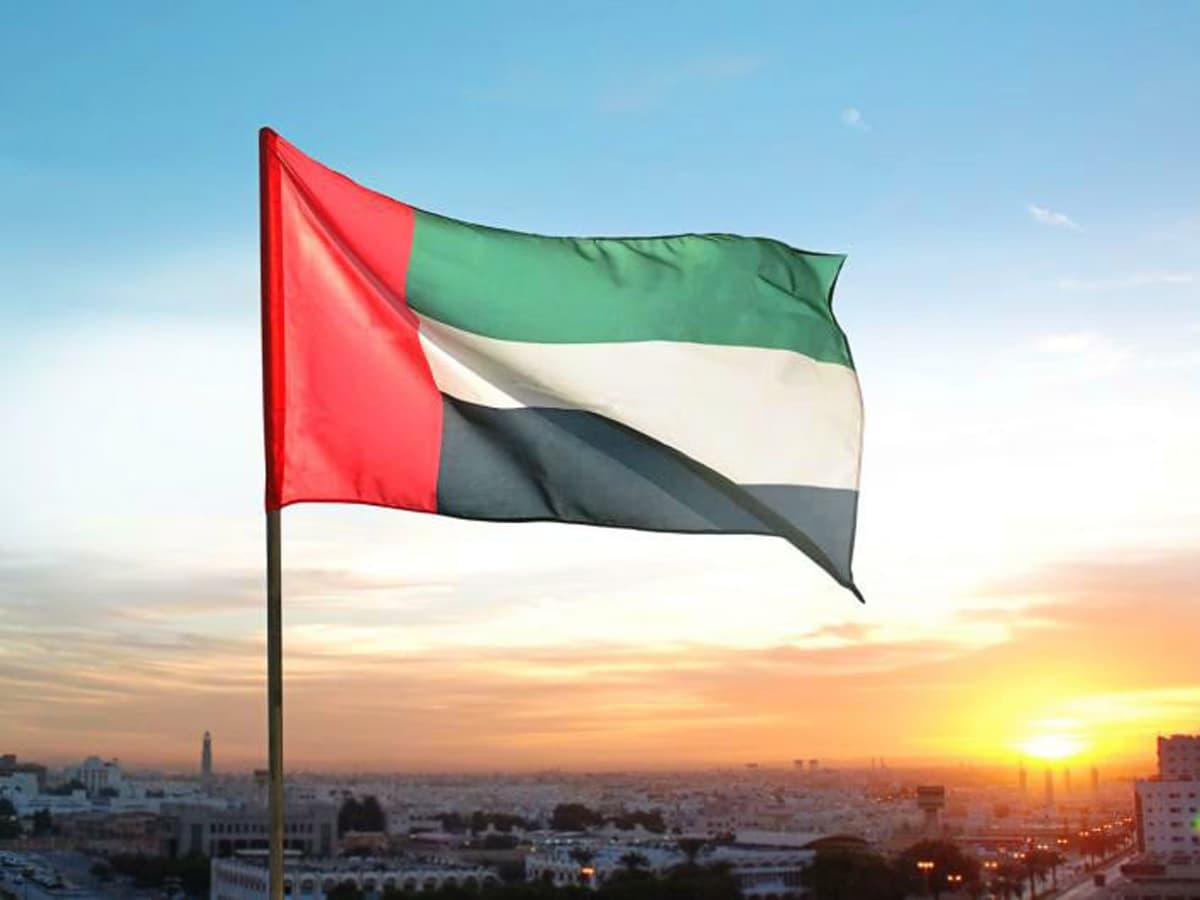
UAE National Day Gifts: How to Celebrate 2 December with Dates & Emirati Tradition
August 17, 2026
2 December is more than a public holiday — it is the anniversary of a nation. Here is how to mark it with gifts that carry genuine Emirati meaning, from the palm groves of Al Ain to your table.
Articles
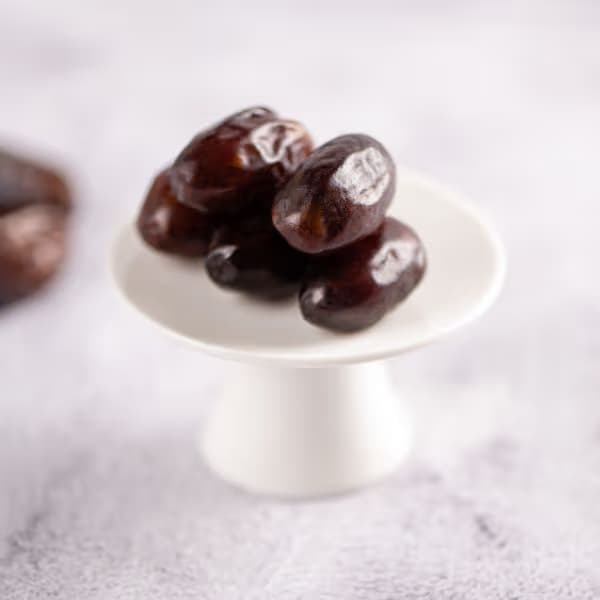
Lulu Dates: The Pearl of Al Ain's Palm Groves
August 10, 2026
Lulu dates are one of the UAE's most celebrated native varieties — pale gold, honey-sweet, and grown in the shadow of Jebel Hafeet. Here's everything you need to know about them.
Articles
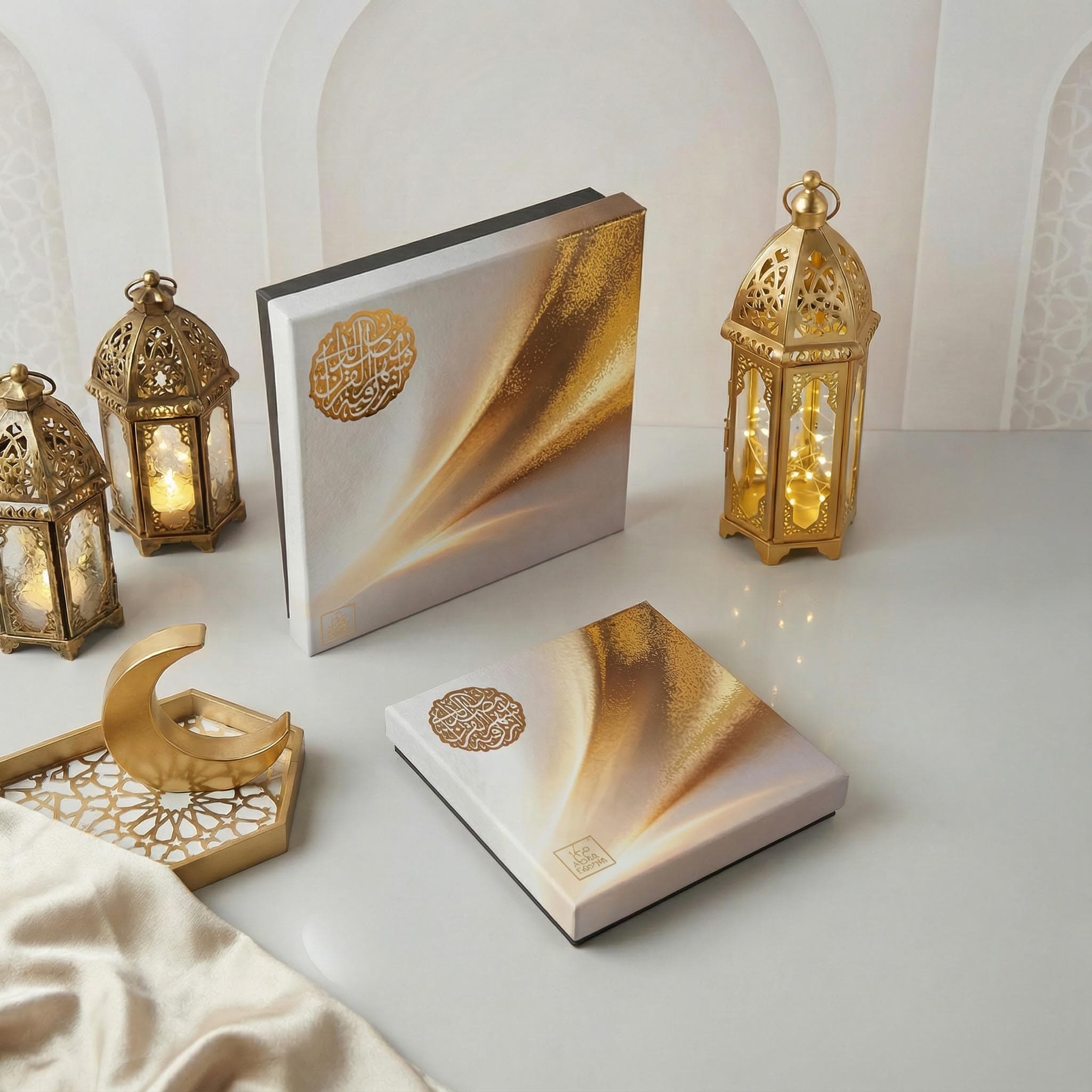
How to Choose the Perfect Ramadan Gift Box in the UAE
July 10, 2026
Choosing a Ramadan gift box in the UAE is about more than packaging — it's about what's inside and what it says. Here's how to get it right, from a family farm that's been growing dates in Al Ain for generations.