Articles
Khalas Dates: The UAE's Most Beloved Variety, Grown in Al Ain
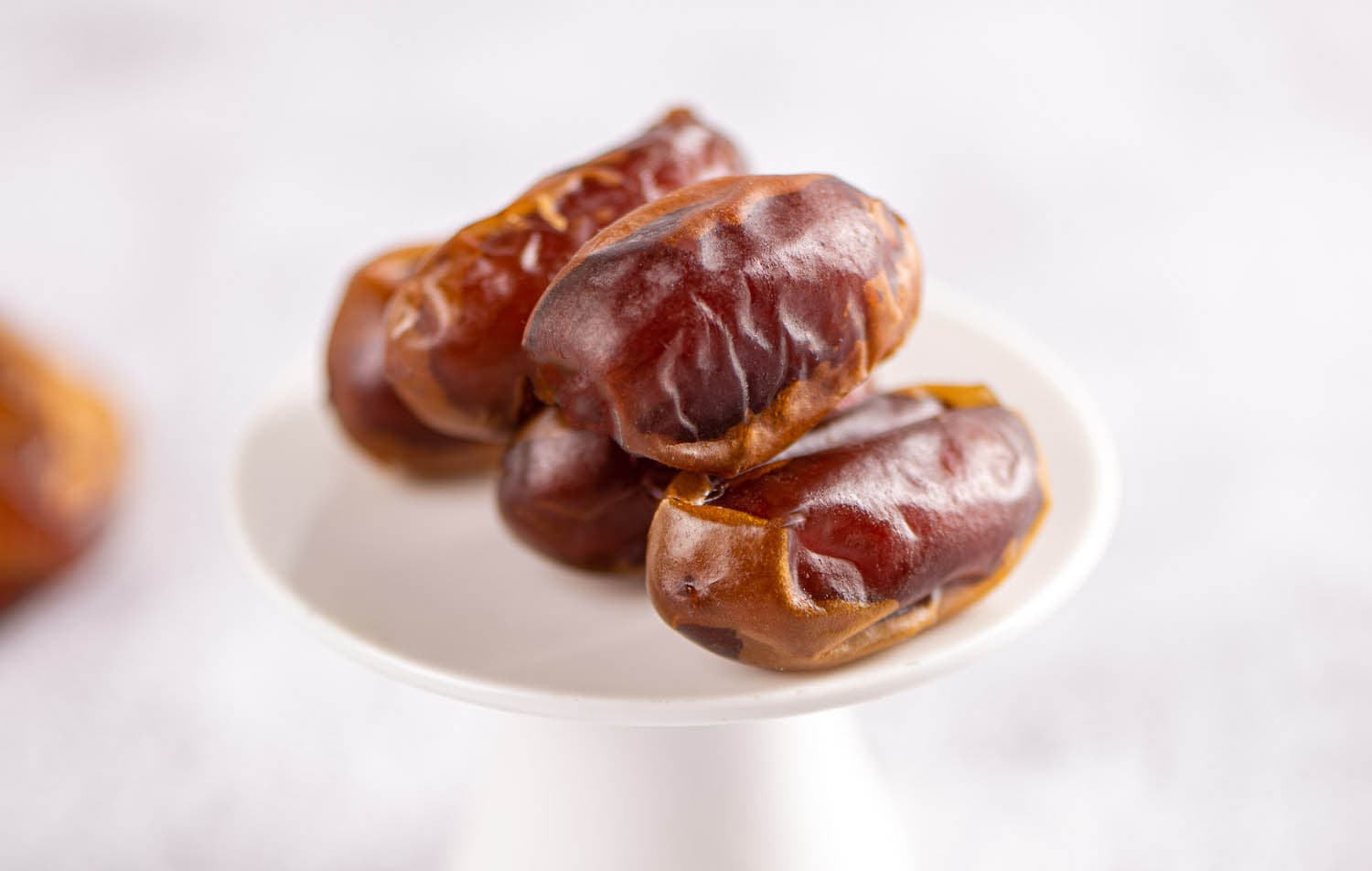
Walk into any home in Abu Dhabi during a gathering and the first thing placed before you — before the gahwa, before the fruit — will almost certainly be a bowl of Khalas (also spelled Kholas) dates. Soft at the centre, with a thin papery skin and a flavour that sits somewhere between butterscotch and wild honey, Khalas is the variety that defines what a great date can be.
At The Date Room, we grow Khalas on our farms in Al Ain, the oasis city that has cultivated date palms for more than four thousand years. The climate there — scorching dry summers, cool nights, and groundwater filtered through ancient rock — produces a Khalas that simply cannot be replicated elsewhere. We pick, sort, and pack the fruit ourselves, so when we tell you a batch was harvested at the rottab stage in late July, we mean we were standing under the palms when it happened.
What Exactly Is the Khalas Date?
Khalas is a semi-dry, medium-to-large date variety with an amber-to-golden-brown colour at full ripeness. The flesh is dense but yielding, with almost no fibrous strands — a quality that makes it pleasant to eat whole and easy to stuff or dip in chocolate.
The name comes from the Arabic root meaning 'finished' or 'complete', and growers across the Arabian Peninsula have long used it to describe a fruit that needs nothing added to it. Our Khalas dates are a living continuation of that tradition, farmed in Al Ain where the palm population rivals any oasis on earth.
One of the distinguishing marks of a true Al Ain Khalas is what we call the 'caramel note' — a natural sweetness that develops because the intense summer heat concentrates sugars in the flesh during the tamar (fully dry) and rottab (soft-ripe) stages. No flavouring, no syrup, no processing. Just climate and time.
The Four Stages of Ripening — and Why We Harvest at Rottab
Every date passes through four named ripening stages. Understanding them explains why two boxes of 'dates' can taste entirely different, even from the same variety.
Kimri — the green, hard, very astringent stage. High in tannins, not eaten fresh by most people.
Khalal — the fruit turns yellow or red, still firm, slightly crunchy. Some families eat Khalas at this stage; it has a freshness more like a firm apple than a sweet date.
Rottab — the stage we target for harvest. The fruit softens, the skin begins to wrinkle at the base, and the sugars peak. This is when Khalas develops that characteristic caramel flavour. We harvest our Al Ain Khalas during the rottab window, typically in July, and move quickly — rottab dates are perishable and must be handled within hours of picking.
Tamar — the fully dried, shelf-stable stage most people buy year-round. Excellent for gifting and longer storage, though the moisture and fresh caramel note of rottab is partially lost.
Because we control our own supply chain from palm to box, we can offer both rottab-season fruit and premium tamar-stage plain dates depending on what a customer needs.
Grown in Al Ain: Why Place Matters for Khalas
Al Ain sits at roughly 300 metres above sea level in the Eastern Region of Abu Dhabi. Summer temperatures regularly exceed 45 °C during the day, yet the city's famous falaj irrigation system — a UNESCO-recognised network of underground channels — keeps the roots of palm trees cool and continuously hydrated.
This contrast of heat above and moisture below is what drives sugar concentration in Khalas fruit. The soil profile in our growing areas is alluvial and mineral-rich, leached from the Hajar Mountains nearby, which adds a subtle earthiness that balances the sweetness.
Our farms are part of the living agricultural heritage of the UAE. We document the palm lineages we grow — each mother palm that produces an exceptional Khalas becomes a source of offshoots for the next generation. Explore more about that commitment on our farms and date heritage page.
Nutritional Profile: What the Research Says
Khalas dates are not just culturally significant — they carry a solid nutritional profile that has made dates a dietary staple across the region for millennia.
Dates are a source of natural sugars (primarily fructose and glucose), dietary fibre, potassium, magnesium, and B vitamins. Research published on PubMed confirms that date fruit contains polyphenols and antioxidant compounds that may contribute to overall health, particularly in relation to digestive function and energy metabolism. Research on date fruit nutritional composition
A typical serving of three to four Khalas dates (approximately 30–40 g) provides a meaningful source of quick-release energy alongside fibre — making them a preferred choice for breaking the fast during Ramadan, for athletes before training, and as a mid-afternoon alternative to processed snacks.
Important: dates are naturally high in sugar. People managing blood glucose levels should treat them as part of a considered, balanced diet and consult their healthcare provider. Guidance on fruit and sugar intake
How We Sort and Grade Khalas at The Date Room
Not every Khalas that leaves our farm reaches a gift box. After harvest, each batch goes through a multi-stage process: hand inspection to remove split or blemished fruit, grading by size (we work to a minimum length threshold so every piece feels substantial in the hand), and a sensory check by one of our team for colour uniformity and moisture level.
We reject around 20–30% of each harvest before a date earns its place in our packaging. That is the honest cost of quality — and it is why we can say, without hesitation, that the Khalas in our boxes represents the top tier of each season's crop.
The sorted fruit is then either sold whole, turned into stuffed dates filled with premium nuts and flavourings, or carefully enrobed in our single-origin chocolate for our chocolate-dipped dates range.
Khalas as an Ingredient: Beyond Eating Them Whole
The flavour profile of Khalas — caramel, honey, a whisper of toffee — makes it one of the most versatile date varieties in the kitchen.
Date syrup (dibs): Khalas breaks down beautifully when simmered with water, producing a thick, amber syrup with none of the bitterness you sometimes get from lesser varieties. Explore our own date syrup and oils range if you want the convenience without the cooking.
Stuffed dates: The low-fibre, firm-but-soft flesh of Khalas holds a filling perfectly. We pair ours with pistachio, walnut, almond, and more — each nut chosen to complement rather than compete with the caramel notes.
Baked goods: Maamoul made with Khalas paste is a UAE staple. Our maamoul and bakery range uses Khalas as the primary filling, baked with vegetable ghee so the dough stays light and crumble-tender without dairy.
Khalas for Gifting: The Date That Says Something
In Emirati culture, presenting dates is an act of welcome and respect. Khalas, as the premium variety, carries extra weight in that gesture. Whether you are choosing something for an Eid visit, a corporate client, or a housewarming, a beautifully presented box of Khalas communicates that you chose carefully.
Our gift boxes range from intimate two-person selections to large corporate trays, and Khalas features prominently across them. For milestone occasions, our signature collection presents Khalas alongside other premium varieties and accompaniments in presentation-grade packaging.
For businesses ordering in volume — hospitality groups, financial institutions, government entities — our corporate gifts service includes custom branding and flexible lead times across the year, not just at Ramadan.
Khalas vs. Other UAE Varieties: A Quick Comparison
The UAE is home to more than 40 named date varieties, each with its own character. Khalas is often set against two others worth knowing.
Fard — darker, firmer, and drier than Khalas, with a more neutral sweetness. Fard is the everyday workhorse of the UAE market, reliable and long-lasting. Khalas is its more expressive, flavour-forward cousin.
Lulu — rounder, lighter in colour, and notably sweet with a slightly chewy texture. Often described as 'honey dates', Lulu appeals to those who want maximum sweetness in a smaller package. Khalas sits between Fard and Lulu on the moisture scale, which is part of why it is so universally liked.
All three varieties feature in our Emirati dates range, so if you are curious about how they compare side by side, ordering a mixed selection is the most honest way to decide.
Buying and Storing Khalas Dates
A common question we get: how should Khalas dates be stored?
At room temperature, tamar-stage Khalas will keep well for four to six weeks in an airtight container away from direct sunlight. In the refrigerator, they will hold their quality for up to six months. For longer storage — particularly if you are buying in bulk during the July harvest season — Khalas freezes exceptionally well. Lay them flat on a tray, freeze until solid, then transfer to a bag. They thaw at room temperature in around 20 minutes with no loss of flavour or texture.
Avoiding humidity is the single most important rule. Khalas, being semi-dry, will absorb moisture from the air and can develop surface stickiness or, eventually, fermentation notes. Keep the lid on and keep them cool.
If you are in Abu Dhabi, you are welcome to visit our boutique to taste before you buy. For the rest of the UAE, our online plain dates range ships with cold-chain packaging during the summer months to protect the product on its journey to you.
From Our Palms to Your Table
Khalas dates are not a product we source, white-label, or import. They grow on palms we tend, in soil we know, under a sun that has defined Emirati agriculture for generations. That is a claim very few date sellers in the UAE can honestly make — and it is the reason every box from The Date Room carries the weight of a place, a season, and a family's care.
If you have never tried a properly grown, freshly graded Al Ain Khalas, we would genuinely love to change that. Browse our Khalas dates online, or explore the full Emirati dates range to find the variety — or combination — that feels right for your table or your next gift.
More from Articles
Articles
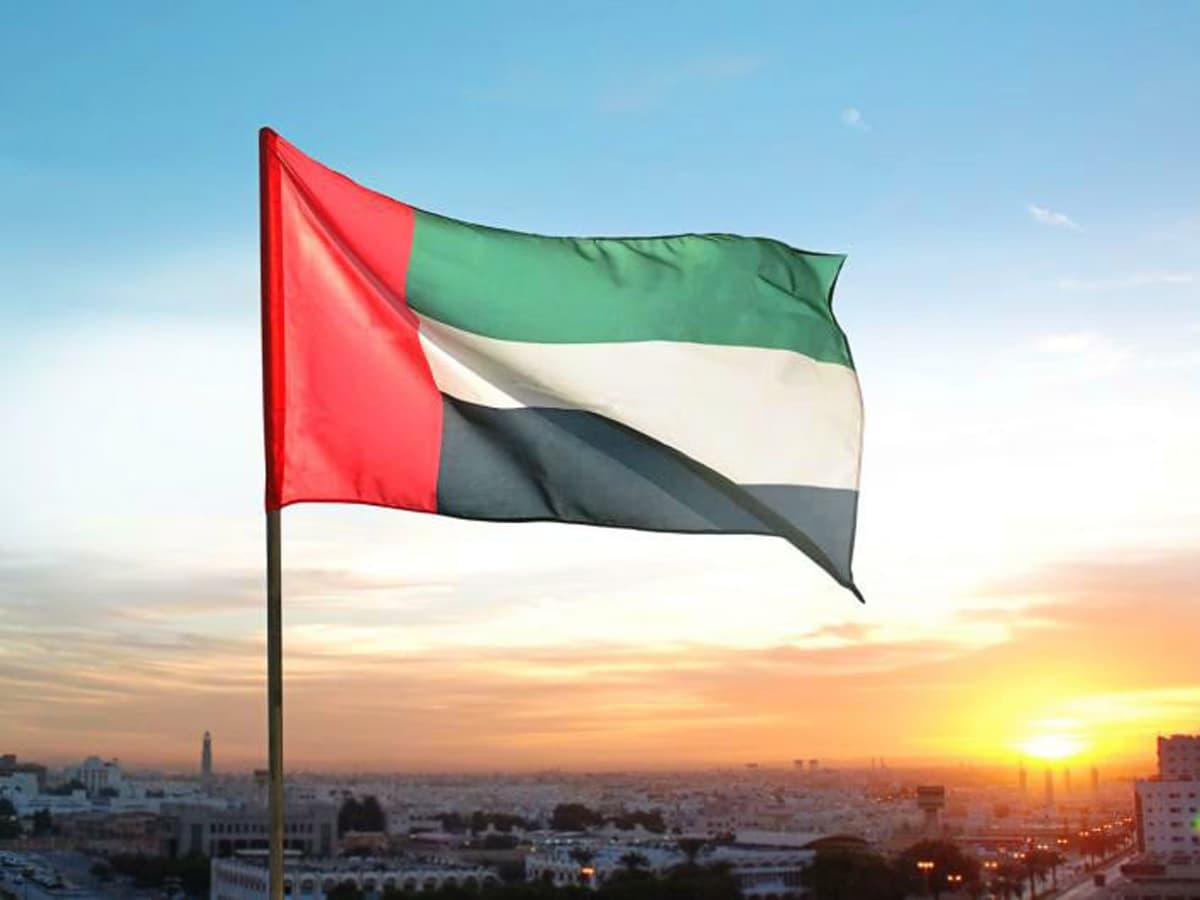
UAE National Day Gifts: How to Celebrate 2 December with Dates & Emirati Tradition
August 17, 2026
2 December is more than a public holiday — it is the anniversary of a nation. Here is how to mark it with gifts that carry genuine Emirati meaning, from the palm groves of Al Ain to your table.
Articles
Lulu Dates: The Pearl of Al Ain's Palm Groves
August 10, 2026
Lulu dates are one of the UAE's most celebrated native varieties — pale gold, honey-sweet, and grown in the shadow of Jebel Hafeet. Here's everything you need to know about them.
Articles
How to Choose the Perfect Ramadan Gift Box in the UAE
July 10, 2026
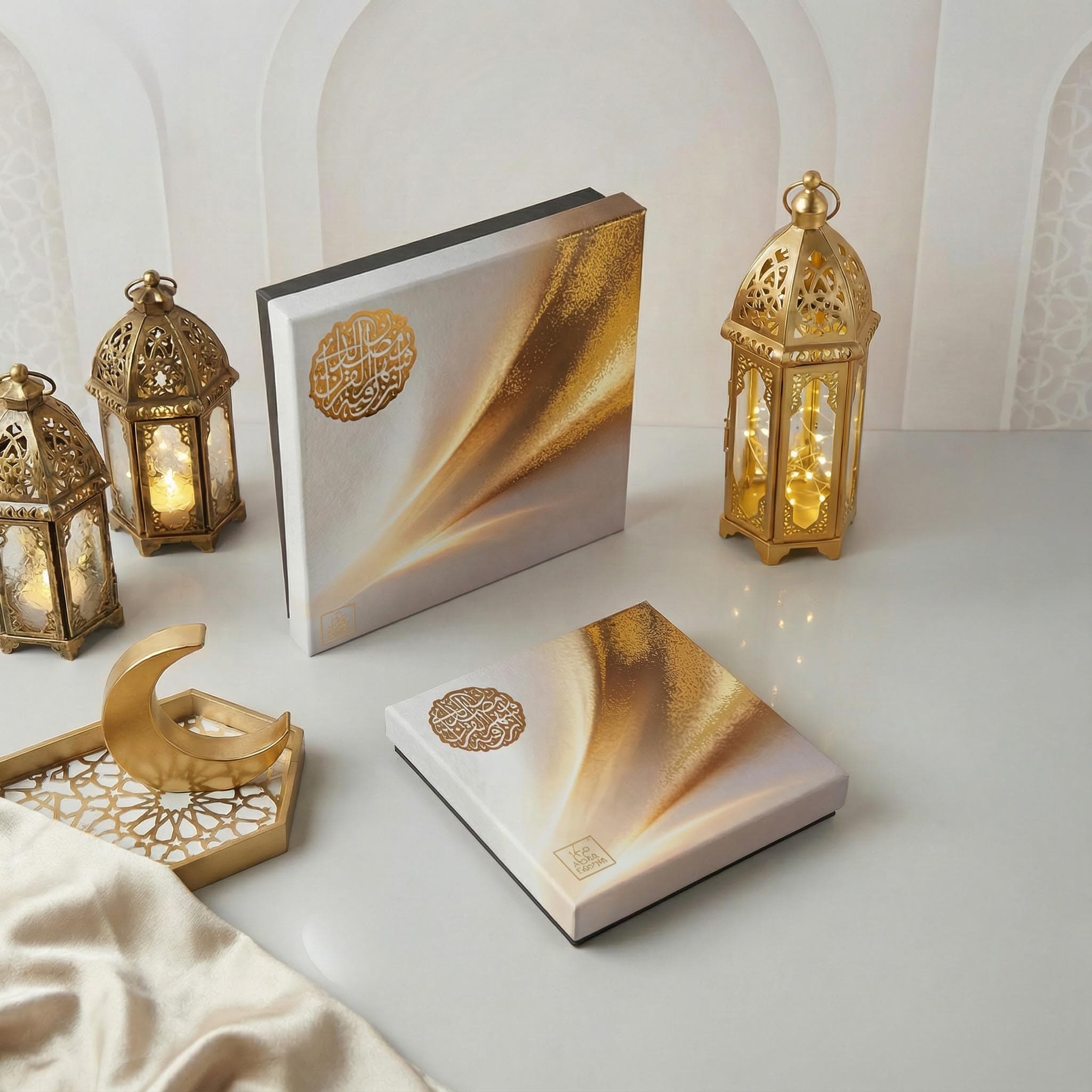
Choosing a Ramadan gift box in the UAE is about more than packaging — it's about what's inside and what it says. Here's how to get it right, from a family farm that's been growing dates in Al Ain for generations.