Articles
Medjool vs Khalas: Which Premium Date Is Right for You?
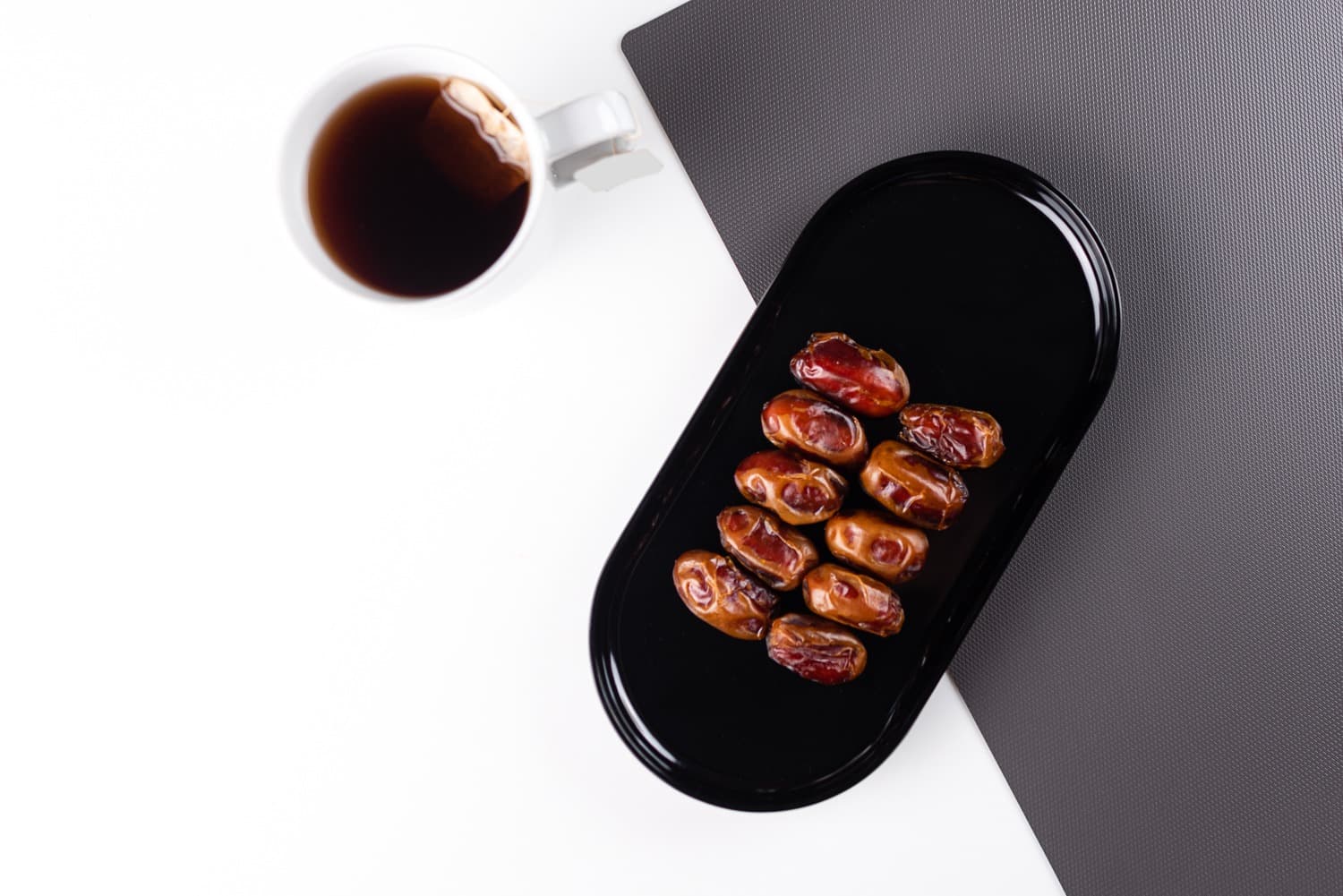
Walk into any premium date shop in the UAE and you will likely find both Medjool and Khalas (also spelled Kholas) on display, often at different price points, frequently described with the same superlatives. They are genuinely different dates, and the "which is better?" question has a real answer — it depends on what you are looking for.
Where They Come From
Khalas is a heritage UAE variety, cultivated for thousands of years in the Al Ain region and the Liwa Oasis. Its name, flavour profile, and cultural associations are specific to the Emirates and the broader Arabian Peninsula interior. When you eat an Al Ain Khalas, you are eating something with a traceable, documented local history.
Medjool originated on the Arabian Peninsula but is now grown widely across Morocco, Jordan, Palestine, the United States (California and Arizona), and several other regions. The Medjool dates found in UAE retail are often imported — typically from Jordan, Morocco, or the United States. Quality varies significantly by origin and harvest year.
Size and Appearance
Medjool is considerably larger — typically 20–25g per date versus 8–12g for Khalas. Its skin is dark reddish-brown, smooth, and wrinkled at the stem end. Khalas is amber to deep amber with a thinner, more translucent skin that can show the interior flesh through the surface. Side by side, Medjool looks imposing; Khalas looks refined.
Texture
Medjool is the softer, wetter variety of the two. The flesh is dense and plush — almost creamy at peak ripeness — and yields completely under pressure. Some describe the texture as fudge-like. Khalas is softer than Fard but firmer than Medjool: it yields but maintains some structure, giving it a more satisfying chew for most adults.
Sweetness and Flavour
Both are sweet, but in different ways. Medjool delivers an immediate, full, intense sweetness that is one-dimensional in the sense that it peaks on the first bite and sustains at the same level. Khalas starts with a similar sweetness but develops into caramel and toffee notes — a more layered flavour profile that builds rather than simply lands. For pairing with gahwa, Khalas is the traditional and superior choice: its complexity plays off the coffee's bitterness in a way that Medjool's blunter sweetness does not.
Storage and Shelf Life
Medjool's higher moisture content makes it the more perishable of the two in UAE conditions. At room temperature in summer, a Medjool will soften and deteriorate faster than a Khalas. Refrigeration is essential for Medjool beyond a few days in UAE heat. Khalas is more forgiving at room temperature, though refrigeration extends both varieties significantly.
Which to Choose
For gifting in the UAE: Khalas wins on cultural resonance and local specificity. A box of premium Khalas from a named UAE farm communicates more about Emirati identity than Medjool sourced from another country.
For pure indulgence — a large, soft, intensely sweet date experience: Medjool is arguably the more immediately impressive single-date experience, particularly for first-timers.
For regular eating alongside gahwa: Khalas is the traditional, better-balanced choice.
Explore our Khalas dates and full Emirati dates collection to experience UAE heritage varieties sourced directly from the farms where they were grown.
More from Articles
Articles
UAE National Day Gifts: How to Celebrate 2 December with Dates & Emirati Tradition
August 17, 2026
2 December is more than a public holiday — it is the anniversary of a nation. Here is how to mark it with gifts that carry genuine Emirati meaning, from the palm groves of Al Ain to your table.
Articles
Lulu Dates: The Pearl of Al Ain's Palm Groves
August 10, 2026
Lulu dates are one of the UAE's most celebrated native varieties — pale gold, honey-sweet, and grown in the shadow of Jebel Hafeet. Here's everything you need to know about them.
Articles
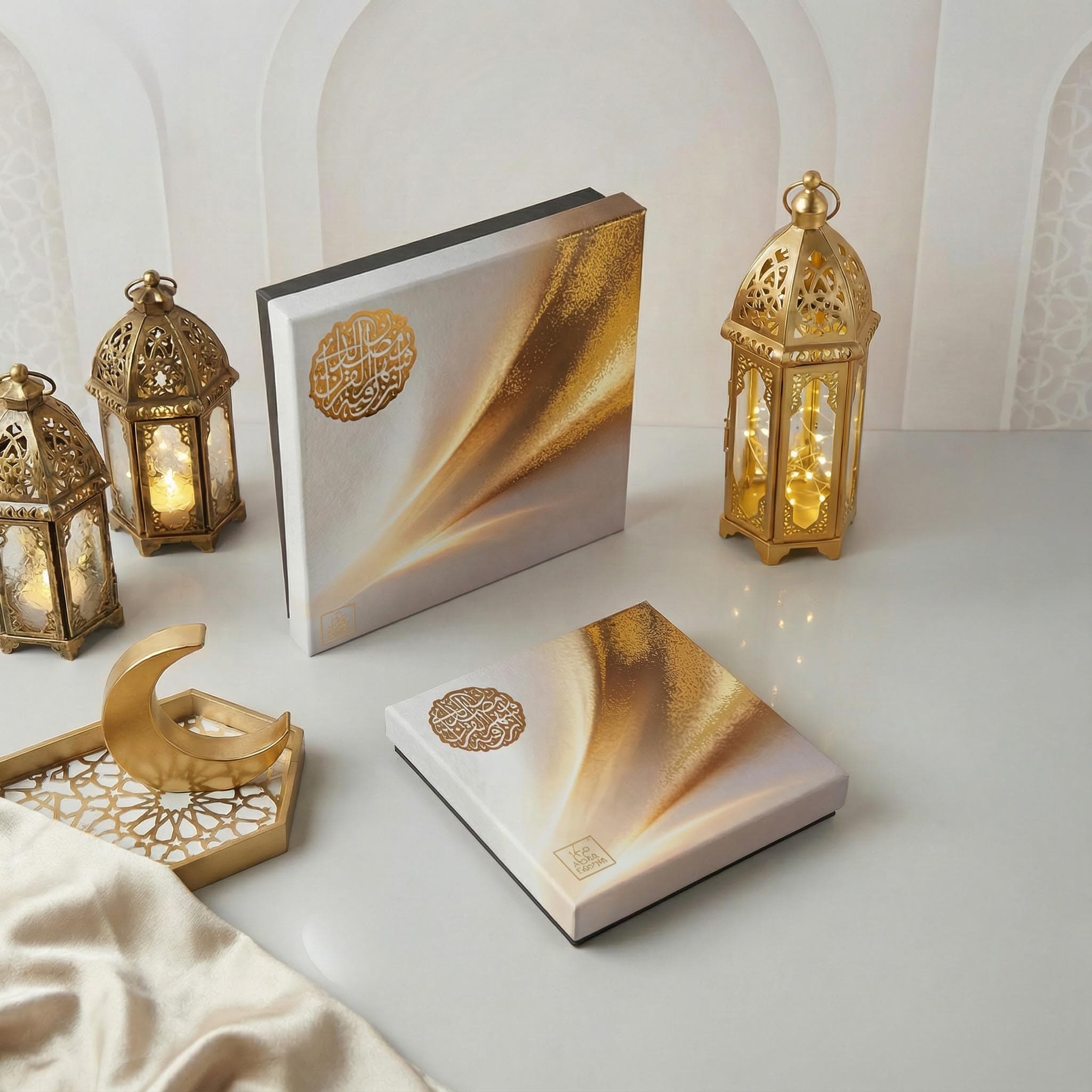
How to Choose the Perfect Ramadan Gift Box in the UAE
July 10, 2026
Choosing a Ramadan gift box in the UAE is about more than packaging — it's about what's inside and what it says. Here's how to get it right, from a family farm that's been growing dates in Al Ain for generations.