Articles
How to Enjoy Rahash: Serving and Pairing Ideas for Emirati Halva
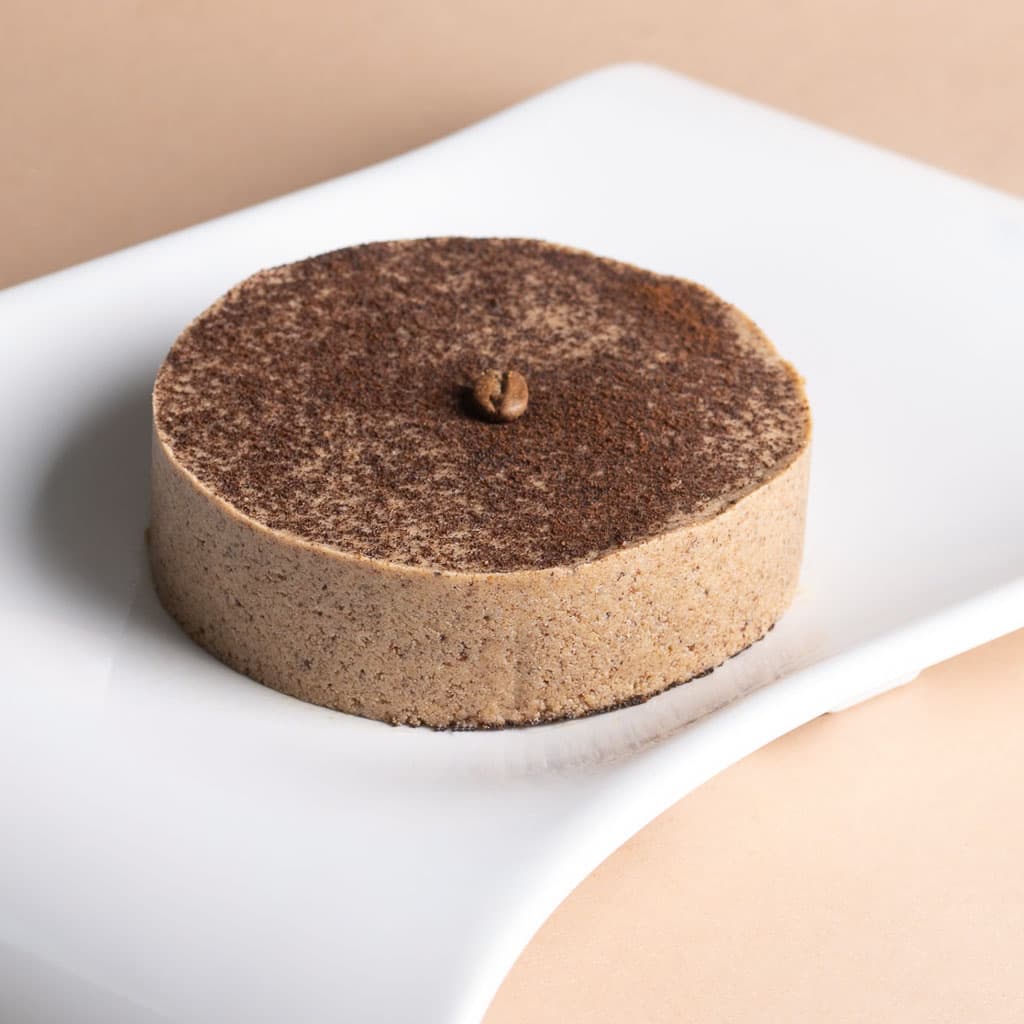
Rahash occupies a singular space in Emirati food culture. Dense, aromatic, and made from a base of dates and tahini, it is one of the oldest confections associated with the Arabian Peninsula — and one of the most misunderstood by those encountering it for the first time. This guide is for anyone who has received rahash as a gift, or is considering giving it, and wants to know how to approach it properly.
What Is Rahash?
At its simplest, rahash is a date-based halva: pressed date paste combined with tahini (sesame paste), spices, and in some varieties nuts or seeds, formed into a dense block or roll. The texture is firm but yielding — closer to a well-set fudge than to a crumbly pastry — and the flavour is complex: sweet from the dates, bitter-nutty from the tahini, and warmly spiced from cinnamon, cardamom, or rose depending on the recipe.
Traditional rahash has been made across the UAE and wider Arabian Peninsula for centuries. It was historically a practical food — nutrient-dense, shelf-stable in desert conditions, and made entirely from locally available ingredients — as well as a festive one, appearing at celebrations and as a hospitality offering.
How to Serve Rahash
The traditional serving method is straightforward: slice the rahash into pieces roughly one centimetre thick and serve on a small plate alongside gahwa (Emirati Arabic coffee). The coffee's bitterness and spice cut through the richness of the rahash and make each bite taste better than it would alone.
Room temperature is important: rahash served cold from a refrigerator is significantly less pleasant than rahash that has been allowed to come to room temperature for twenty to thirty minutes. The flavours open up and the texture softens slightly, which is the correct eating condition.
Pairing Ideas
Beyond gahwa, rahash pairs well with black tea (without milk) and with fresh dates — the combination of loose dates and rahash at a gathering is a classic Emirati hospitality arrangement. For a contemporary presentation, serve thin slices of rahash on a small wooden board alongside fresh Khalas dates and a few blanched almonds: the textures and flavours contrast well.
Rahash is not typically used in cooked recipes but makes an excellent accompaniment to neutral cheeses — particularly labneh, where the dairy's mild acidity provides a clean contrast to the dense sweetness of the halva.
Our Six Rahash Flavours
We offer six rahash varieties, each built on the traditional date-and-tahini base with different spice and addition combinations. Classic Rahash is the most traditional — dates, tahini, and a restrained spice blend. Rose Rahash adds rosewater and rose petals for a more floral expression. Pistachio Rahash incorporates ground and whole pistachios for added texture and a more savoury note. Saffron Rahash uses premium saffron to add both colour and a delicately aromatic sweetness.
Each variety has a distinct character, and a selection of three or four in a gift box gives the recipient a full picture of what rahash can be. Explore our full rahash collection or browse our gift boxes that include rahash as part of a broader Emirati specialities selection.
More from Articles
Articles
UAE National Day Gifts: How to Celebrate 2 December with Dates & Emirati Tradition
August 17, 2026
2 December is more than a public holiday — it is the anniversary of a nation. Here is how to mark it with gifts that carry genuine Emirati meaning, from the palm groves of Al Ain to your table.
Articles
Lulu Dates: The Pearl of Al Ain's Palm Groves
August 10, 2026
Lulu dates are one of the UAE's most celebrated native varieties — pale gold, honey-sweet, and grown in the shadow of Jebel Hafeet. Here's everything you need to know about them.
Articles
How to Choose the Perfect Ramadan Gift Box in the UAE
July 10, 2026
Choosing a Ramadan gift box in the UAE is about more than packaging — it's about what's inside and what it says. Here's how to get it right, from a family farm that's been growing dates in Al Ain for generations.