Articles
Emirati Gahwa: How to Brew Arabic Coffee the Traditional Way
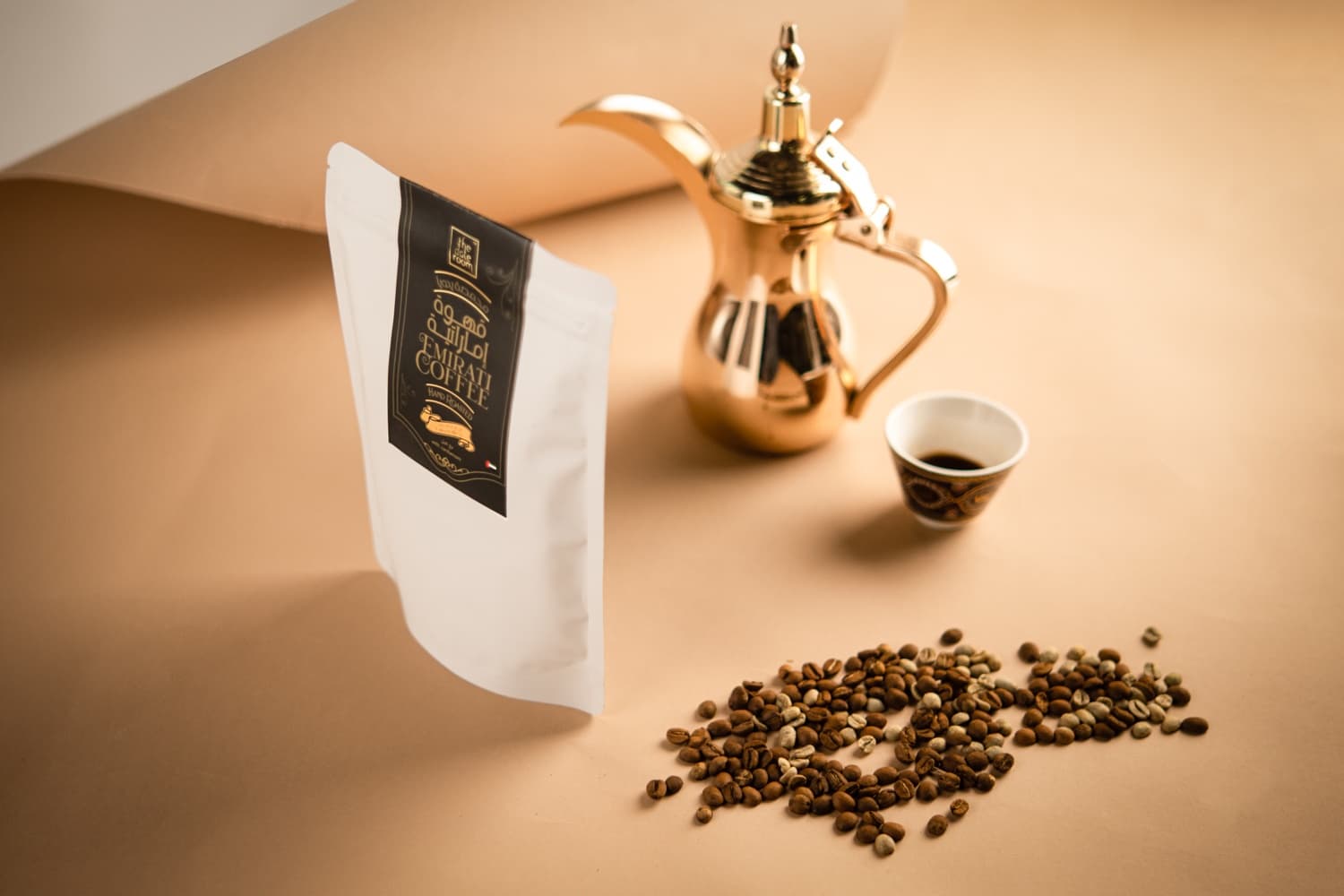
In the UAE, offering gahwa to a guest is not a beverage service — it is a statement of welcome, respect, and cultural identity. The golden, lightly spiced brew has been part of Emirati hospitality for centuries, and the ritual around its preparation and serving is as important as the taste itself.
What Makes Emirati Gahwa Different
Gahwa is distinct from Turkish coffee, espresso, or the filtered coffee most of the world drinks. It is made from lightly roasted green or pale coffee beans — far lighter than the dark roasts common elsewhere — which gives it a golden-yellow colour and a flavour that is mild, aromatic, and free of the bitterness most people associate with coffee. The characteristic flavour comes from the spices added during brewing: cardamom is essential and generous; saffron gives the characteristic golden tint and a subtle floral note; dried rosebuds or a small amount of clove appear in some regional variations.
The result is a drink that is closer to a spiced herbal infusion than to a Western-style coffee. It is drunk unsweetened and served in small, handleless cups called finjan.
The Traditional Brewing Method
Traditional gahwa is brewed in a dalla — a long-spouted metal pot, often brass or silver — and kept warm on a low flame or an ember. The process:
Start by dry-roasting the green coffee beans in a shallow pan over medium heat, stirring constantly, until they turn a pale golden brown. Grind the roasted beans roughly — not to the fine powder used for espresso, but to a coarse grind similar to filter coffee. Add the ground coffee to cold water in the dalla (roughly one tablespoon per cup), bring to a gentle boil, reduce the heat, and simmer for fifteen to twenty minutes. Add cardamom generously — two or three crushed pods per cup — in the last five minutes of simmering, along with a small pinch of saffron threads. Strain through a fine mesh or cheesecloth and return to the dalla for serving.
Some families add a small dried rosewater-soaked date (called a tamr) to the dalla to naturally sweeten the brew and add fragrance.
The Serving Ritual
Gahwa is served from the right hand, poured into the guest's finjan held in the right hand, and offered with dates. The host fills the cup only one-quarter to one-third full — not to be stingy, but because the cup is refilled as soon as it is emptied, maintaining a fresh, hot pour throughout the sitting. When a guest has had enough, they shake the finjan gently from side to side — this is the signal to the host not to refill it.
The Date Pairing
No gahwa service is complete without dates. The traditional pairing serves a practical purpose: the date's sweetness prepares the palate for the coffee's mild bitterness and spice, and the two flavours enhance each other in a way that neither achieves alone. Khalas dates are the classic choice — their restrained caramel sweetness and firm-yet-yielding texture balance the gahwa perfectly. Fard dates, drier and more subtly flavoured, work well for a less sweet pairing.
Explore our Emirati Arabic coffee range and browse our Emirati dates collection to assemble the traditional gahwa-and-dates experience at home or to gift as a set.
More from Articles
Articles
UAE National Day Gifts: How to Celebrate 2 December with Dates & Emirati Tradition
August 17, 2026
2 December is more than a public holiday — it is the anniversary of a nation. Here is how to mark it with gifts that carry genuine Emirati meaning, from the palm groves of Al Ain to your table.
Articles
Lulu Dates: The Pearl of Al Ain's Palm Groves
August 10, 2026
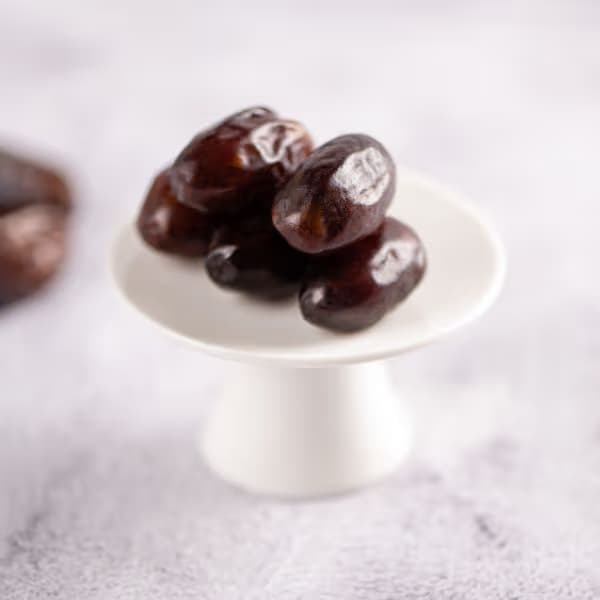
Lulu dates are one of the UAE's most celebrated native varieties — pale gold, honey-sweet, and grown in the shadow of Jebel Hafeet. Here's everything you need to know about them.
Articles
How to Choose the Perfect Ramadan Gift Box in the UAE
July 10, 2026
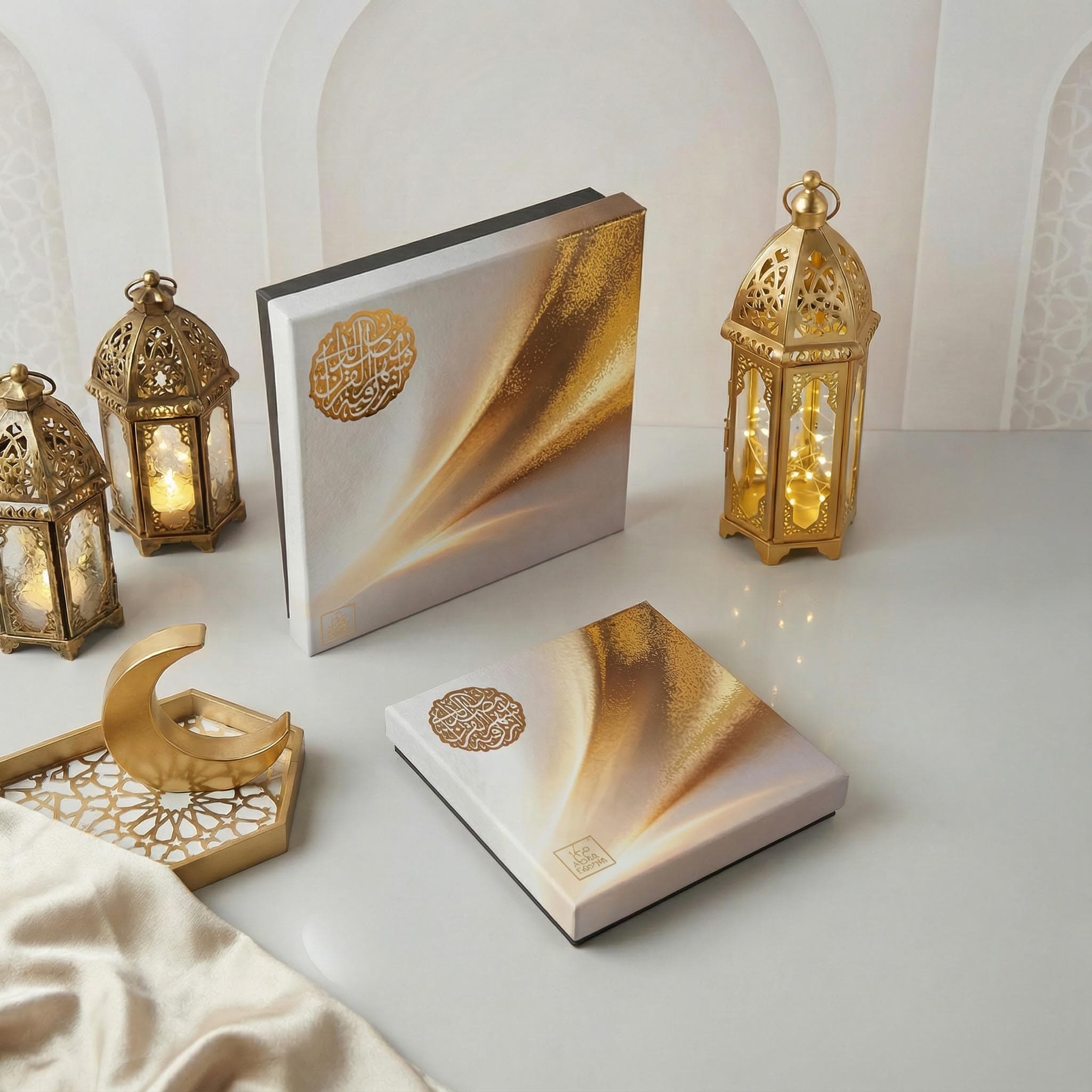
Choosing a Ramadan gift box in the UAE is about more than packaging — it's about what's inside and what it says. Here's how to get it right, from a family farm that's been growing dates in Al Ain for generations.