Articles
Benefits of Dates: What Emirati Varieties Actually Offer
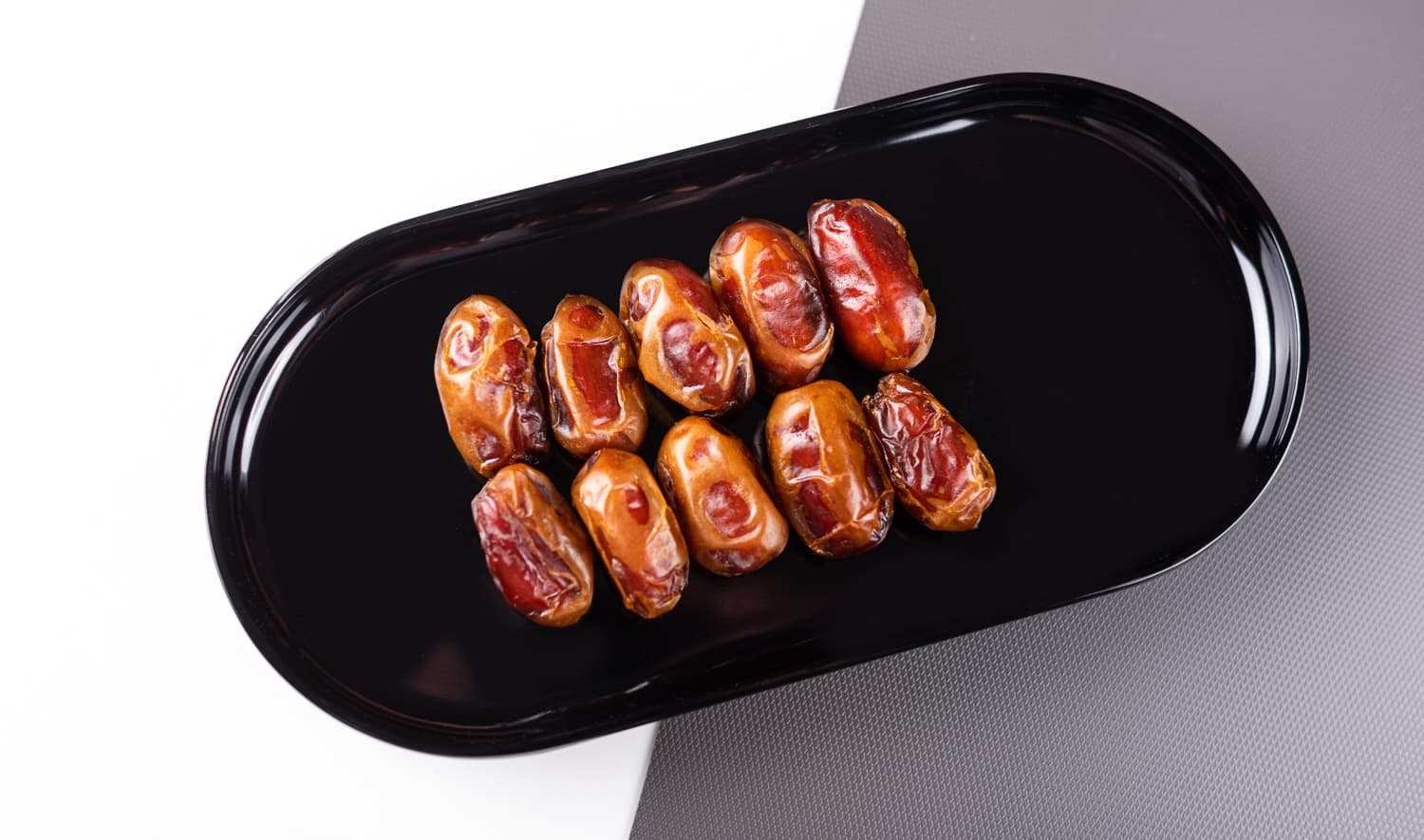
Few foods attract as many confident nutritional claims as dates. Some of them are well-evidenced; others are the product of folklore elevated to fact through repetition. This article focuses on what is actually documented about the nutritional profile of premium UAE varieties — specifically Khalas, Fard, and Lulu — and what that means for how to eat them sensibly.
The Basic Nutritional Profile
Dates are a high-carbohydrate food: the majority of their calories come from natural sugars (primarily fructose and glucose), which makes them an efficient energy source. Per 100g of tamr-stage dates, the calorie count falls roughly in the range of 270–300 kcal depending on the variety and its moisture content at harvest. A single Khalas date (approximately 8–10g) contains roughly 25–30 kcal.
Beyond sugar, dates contain a meaningful amount of dietary fibre — around 6–8g per 100g — which slows sugar absorption and supports digestive function. They also contain small but measurable amounts of potassium, magnesium, and B vitamins (particularly B6 and niacin), and trace amounts of iron. These are genuine nutritional contributions, not marketing claims.
Variety-to-Variety Differences
The nutritional composition of dates varies meaningfully by variety, primarily through differences in moisture content and the ratio of glucose to fructose. Softer varieties like Khalas and Lulu have higher moisture content at the tamr stage, which means a slightly lower calorie density per gram compared to drier varieties like Fard. The sugar profile differs too: Khalas is particularly rich in fructose, which metabolises more slowly than glucose — a relevant distinction for individuals monitoring blood sugar response.
The fibre content is slightly higher in drier varieties like Fard, because the ratio of fibre to total weight increases as moisture decreases. This is a modest difference in practical terms but contributes to why firmer dates are sometimes described as more filling.
How Dates Fit Into the UAE Diet
In traditional Emirati dietary practice, dates are eaten in small quantities — three to five with gahwa as a hospitality offering, a handful broken with gahwa at iftar during Ramadan. This portion discipline is embedded in the tradition: dates are a concentrated food, and the traditional serving size reflects that. Eating a box of thirty as a snack inverts the logic.
The combination of dates with gahwa (Emirati Arabic coffee) is not purely traditional preference — the coffee's mild stimulant effect and the dates' quick-release natural sugar create a gentle, sustained energy combination that suits the Emirati pattern of short hospitality gatherings.
What the Evidence Does Not Support
Many claims circulating about dates go well beyond what the nutritional and clinical evidence supports — particularly disease-specific claims. Dates are nutritious food. They are not medicine. Any article attributing specific therapeutic effects to dates for particular medical conditions should be read with appropriate scepticism and verified against primary scientific literature before being acted upon.
Explore our Emirati dates collection or our full plain dates range to find well-sourced UAE varieties for everyday enjoyment.
More from Articles
Articles
UAE National Day Gifts: How to Celebrate 2 December with Dates & Emirati Tradition
August 17, 2026
2 December is more than a public holiday — it is the anniversary of a nation. Here is how to mark it with gifts that carry genuine Emirati meaning, from the palm groves of Al Ain to your table.
Articles
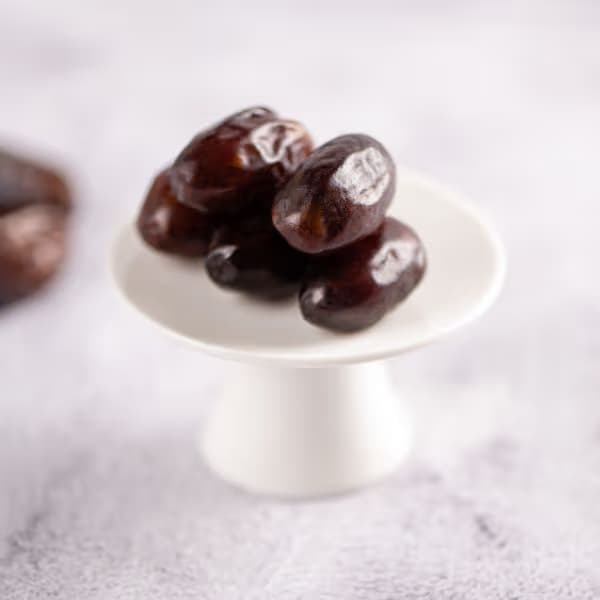
Lulu Dates: The Pearl of Al Ain's Palm Groves
August 10, 2026
Lulu dates are one of the UAE's most celebrated native varieties — pale gold, honey-sweet, and grown in the shadow of Jebel Hafeet. Here's everything you need to know about them.
Articles
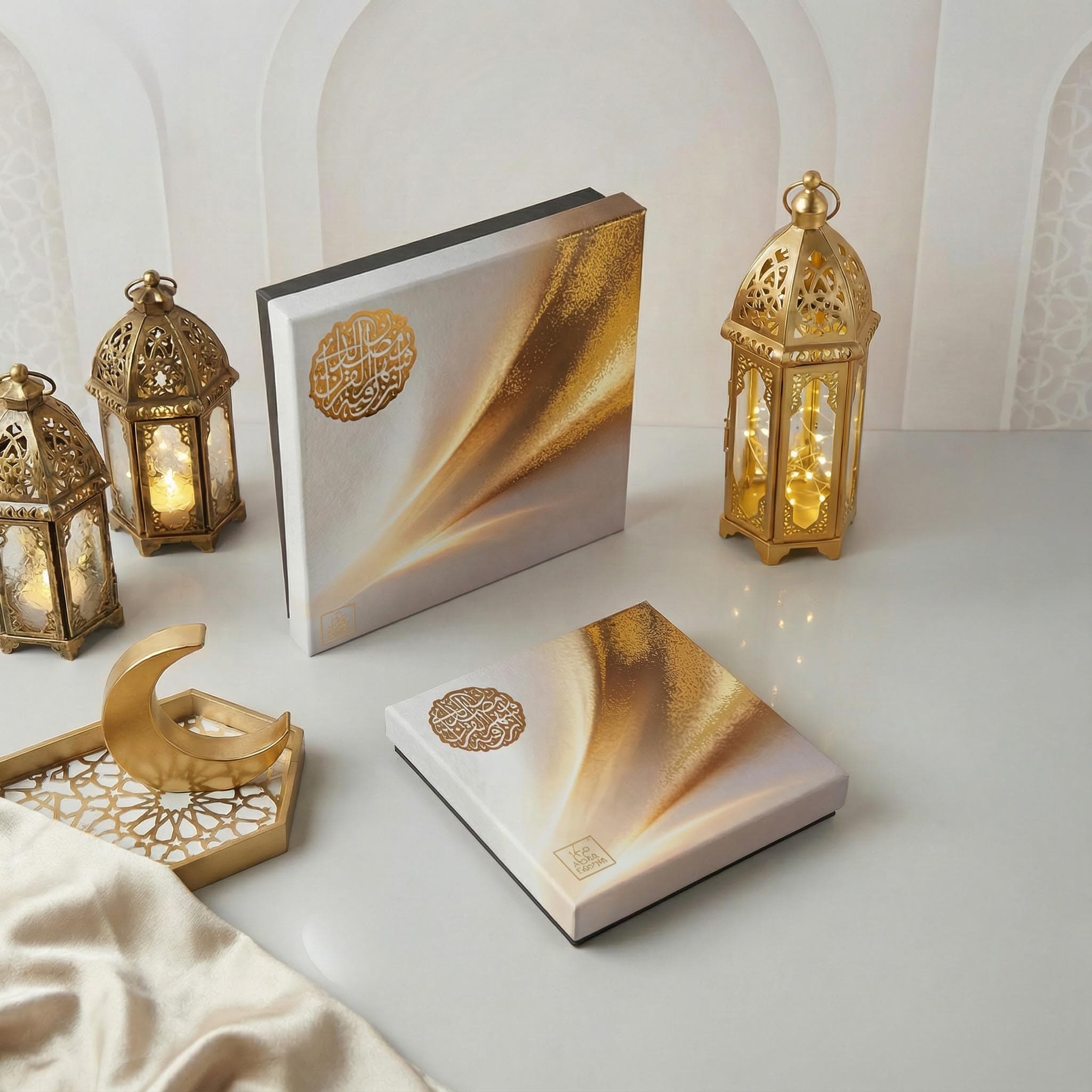
How to Choose the Perfect Ramadan Gift Box in the UAE
July 10, 2026
Choosing a Ramadan gift box in the UAE is about more than packaging — it's about what's inside and what it says. Here's how to get it right, from a family farm that's been growing dates in Al Ain for generations.